Traveling is one of life’s most rewarding experiences. It allows you to explore new places, discover different cultures, and create memories that last a lifetime. However, planning a trip can feel overwhelming without a clear guide. From choosing destinations to organizing activities and preparing for the unexpected, a well-thought-out travel plan ensures a smooth and enjoyable journey. This guide provides practical tips to help you plan your next adventure with confidence.
Start with a Clear Vision for Your Trip
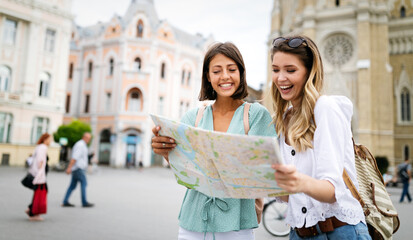
Before booking anything, take some time to define what you want from your travel experience. Are you looking for relaxation, adventure, cultural exploration, or a mix of all three? Understanding your goals helps shape your entire itinerary and ensures that your time and resources are used effectively.
Consider the type of experience you want to have. Some travelers thrive on structured itineraries filled with sightseeing and activities, while others prefer a more relaxed approach with spontaneous exploration. Knowing your travel style from the start allows you to plan a trip that fits your preferences.
Set a Realistic Budget
A clear budget is one of the most important tools for planning a successful trip. It helps you make informed decisions about transportation, accommodations, dining, and activities while preventing financial stress during your travels. Start by estimating major expenses and setting aside a small buffer for unexpected costs, such as local excursions, tips, or last-minute changes.
Budgeting doesn’t mean you have to limit yourself entirely. Instead, it allows you to prioritize experiences that matter most. You might choose to invest in a unique activity, a comfortable stay, or a culinary experience while keeping other expenses modest.
Choose the Right Time to Travel
Timing can make a big difference in the overall experience of your trip. Factors like weather, peak tourist seasons, and personal schedules should all be considered when selecting travel dates. Traveling during off-peak times often offers fewer crowds, better deals, and a more relaxed atmosphere.
Flexibility is key. Being open to adjusting dates slightly can help you take advantage of seasonal events, lower prices, or optimal weather conditions. Planning with timing in mind ensures that your trip is both enjoyable and efficient.
Plan Transportation and Accommodations
Transportation and accommodations are central to a smooth travel experience. Researching options in advance allows you to compare costs, convenience, and comfort. Decide whether you’ll travel by car, plane, train, or other modes of transport depending on your destination and travel style.
When selecting accommodations, consider proximity to the attractions or activities you plan to enjoy. Also, think about the amenities that are most important to you, whether that’s a quiet space to relax, access to local cuisine, or easy access to outdoor activities. Booking early can help secure better rates and more desirable options.
Create a Balanced Itinerary
A successful travel itinerary balances planned activities with free time. Overloading your schedule can lead to fatigue and reduce your ability to enjoy experiences. Prioritize key attractions or activities that align with your goals, while leaving space for unplanned adventures.
Flexibility is important. Unexpected opportunities often arise, such as discovering a local festival, trying a new food, or finding a hidden viewpoint. A balanced itinerary allows you to adapt and make the most of your time.
Prepare Essential Documents and Travel Gear
Organizing your travel documents and essentials is a critical step in trip planning. Ensure you have all necessary identification, reservations, tickets, and emergency contacts readily accessible. Digital backups can provide an added layer of security.
Packing thoughtfully also makes a significant difference. Consider your destination, weather, and planned activities when selecting clothing and gear. Bring versatile and comfortable items to ensure you’re prepared for both planned experiences and unexpected adventures.
Prioritize Health and Safety
Maintaining health and safety while traveling should never be overlooked. Research any health considerations for your destination, pack necessary medications, and stay aware of local guidelines. Maintaining good habits, such as staying hydrated, getting enough rest, and practicing safe travel habits, ensures you have the energy to enjoy each day.
Safety also includes being prepared for unexpected events. Having a basic first aid kit, knowing local emergency contacts, and keeping personal items secure can reduce stress and help you handle unforeseen situations with ease.
Immerse Yourself in Local Experiences
Travel is most rewarding when you engage with the culture and environment around you. Explore local cuisine, visit markets, and participate in traditional activities. Even small interactions, like chatting with locals or observing daily routines, can provide deeper insight into the destination.
Being open to new experiences not only enriches your journey but also creates lasting memories. The more you immerse yourself, the more unique and meaningful your travel experience becomes.
Stay Open to Spontaneity
While planning is essential, allowing room for spontaneity can make your trip truly memorable. Unplanned adventures often lead to the most unexpected and enjoyable experiences. Whether it’s a hidden scenic spot, a last-minute local event, or a new activity, embracing the unexpected adds excitement and authenticity to your journey.
Flexibility also helps reduce stress when plans change or unexpected challenges arise. By adapting with a positive mindset, you can enjoy every moment of your trip, even when things don’t go exactly as planned.
Capture and Reflect on Your Journey
Documenting your trip enhances your experience and preserves memories. Whether through photos, a travel journal, or social media, capturing moments helps you remember the details and emotions of your journey. Reflection also allows you to appreciate what you’ve experienced and learn from your adventures.
Thinking about your trip after it ends can inspire future travel plans and help you identify what made your experience meaningful. This reflection ensures that your travels continue to enrich your life long after you return home.
Planning your next trip is about creating a balance between preparation, flexibility, and enjoyment. By defining your travel goals, setting a realistic budget, organizing transportation and accommodations, and leaving room for spontaneity, you can ensure a smooth and fulfilling experience. Travel offers opportunities to explore new places, connect with different cultures, and create unforgettable memories. With thoughtful planning, your journey becomes not just a trip, but a meaningful adventure that adds value to your life.